Vishnudham Temple
About
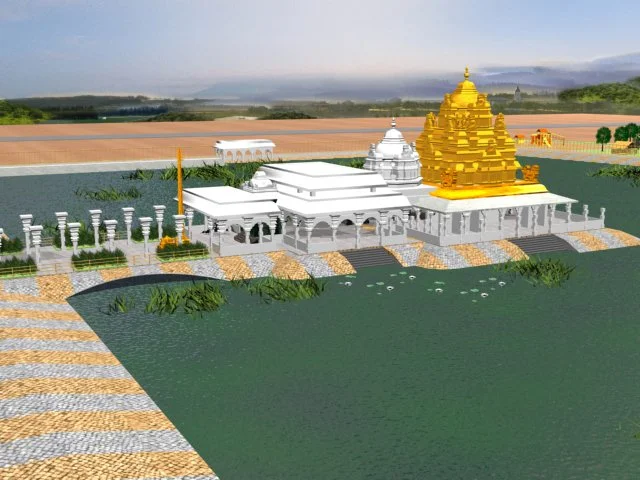
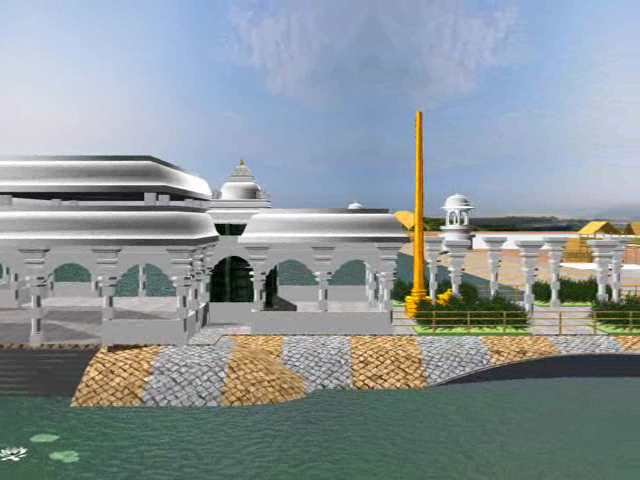
The Vishnudham Temple in Barbigha emerges as a sacred confluence of history, devotion, and landscape. Rooted in the architectural traditions of Dravidian temples and the ancient legacy of Magadh of Mauryan era, the temple is conceived as a processional journey through the Ardha-Mandapa, Mandapa, and Garbhagriha, guiding devotees toward a deeply immersive spiritual experience.
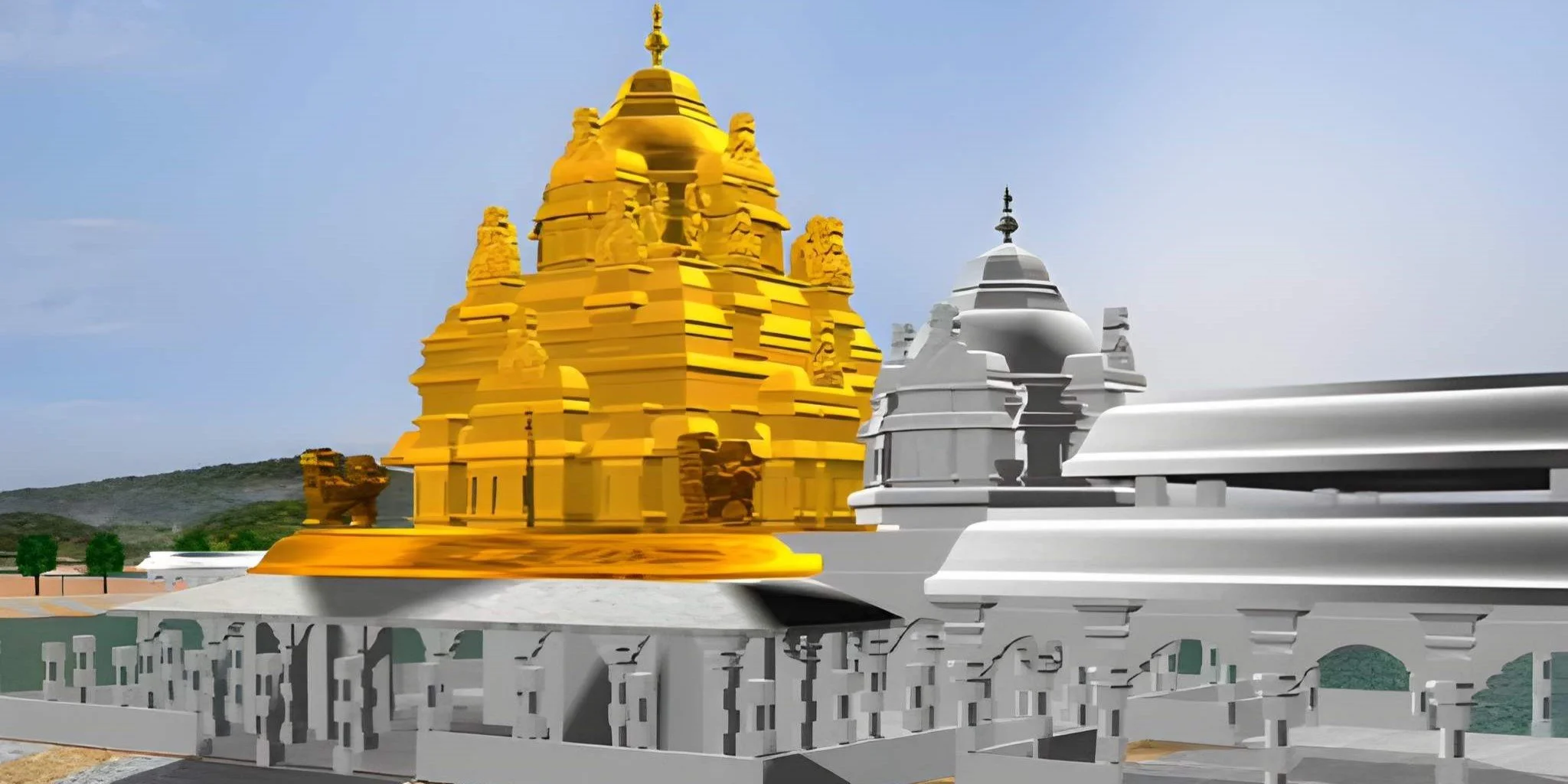
Rising inside a restored lake, the temple engages with water, sky, and earth, allowing it to be experienced in motion—from every side, in reflection and reverence. Its Gopura and Vimana echo the timeless vocabulary of Tirupati, evoking familiarity while remaining anchored in its local context. At its heart resides a rare 2000-year-old 7.5-foot Vishnu idol from the Gupta period, discovered in nearby Samas village, embodying both antiquity and living faith. Envisioned beyond worship, Vishnudham aspires to catalyze cultural renewal, religious tourism, ecological restoration, and a shared sense of place.
Location: Barbigha, Sheikhpura District, Bihar
Project Type: Religious spaces (under construction)
Client: Department of Religious and Charitable Endowment, Government of Bihar
Year: April 2010
Built-up Area: 1000.70 sq.m.
Project at a Glance
-
Primary Materials
Locally inspired temple construction materials predominantly local brick and marble
Conservation Effort
The project is connected to the initiative of lake rejuvenation and ecological enhancement around Samas Sarovar.
-
Architectural Language
Combination of Dravidian temple style and Magadh architectural traditions of the Mauryan period.
Sanctum Layout
The temple comprises Garbhagriha, Mandapa, and Ardha-Mandapa, aligned along the main axial pathway.
Iconographic Significance
The project centers around one of North India’s largest Vishnu idols—7.5 ft long, 3.5 ft wide, carved in black granite, belonging to the Gupta period and recovered from the same ancient village tank in 1992.
Heritage Context
The site lies within a region rich in iconographic discoveries, and within a religious tourism traingle of Bodhgaya, Pavapuri and Samas strengthening the cultural significance of the intervention.