Pampavana Japanese Gardens
About
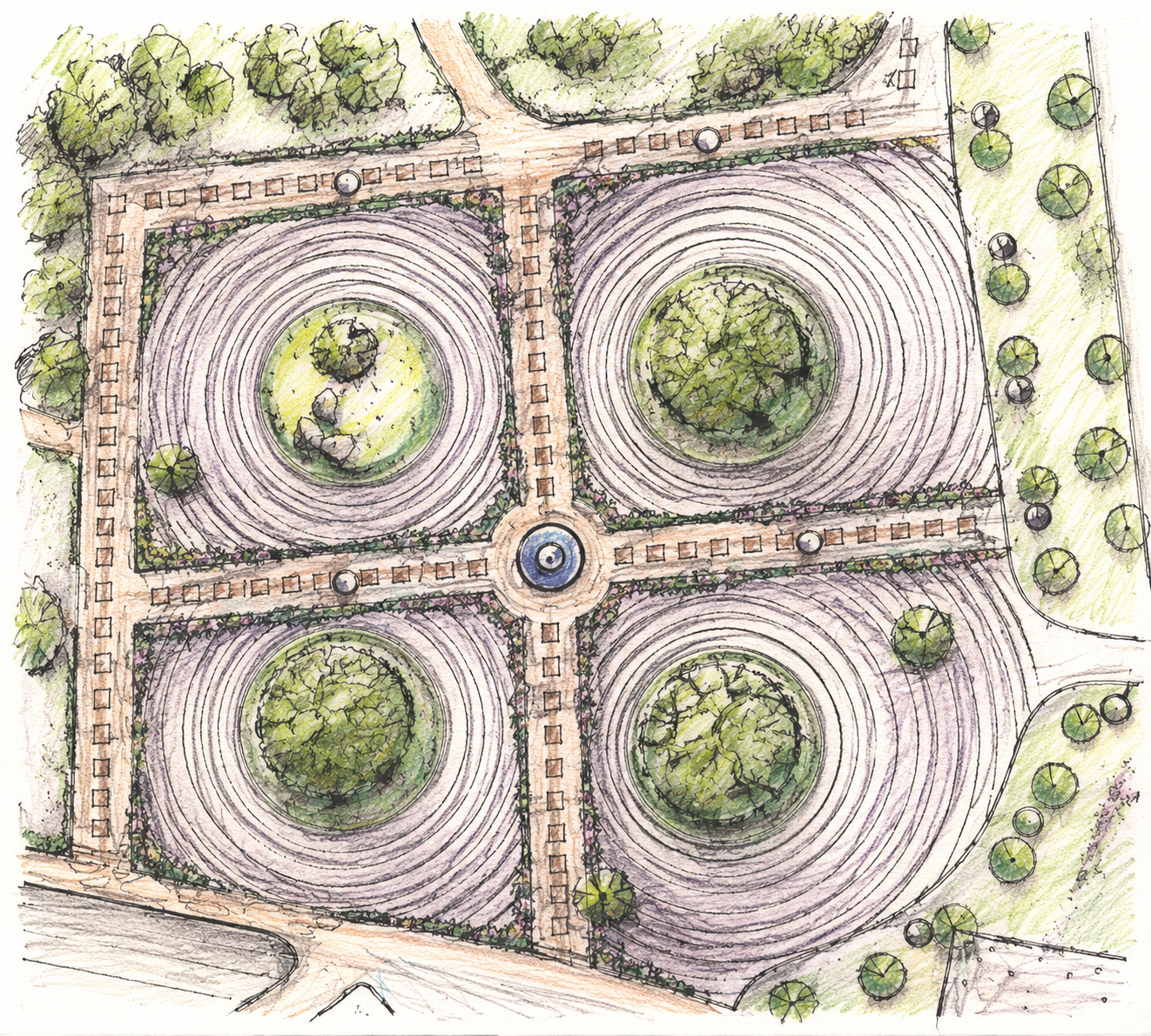
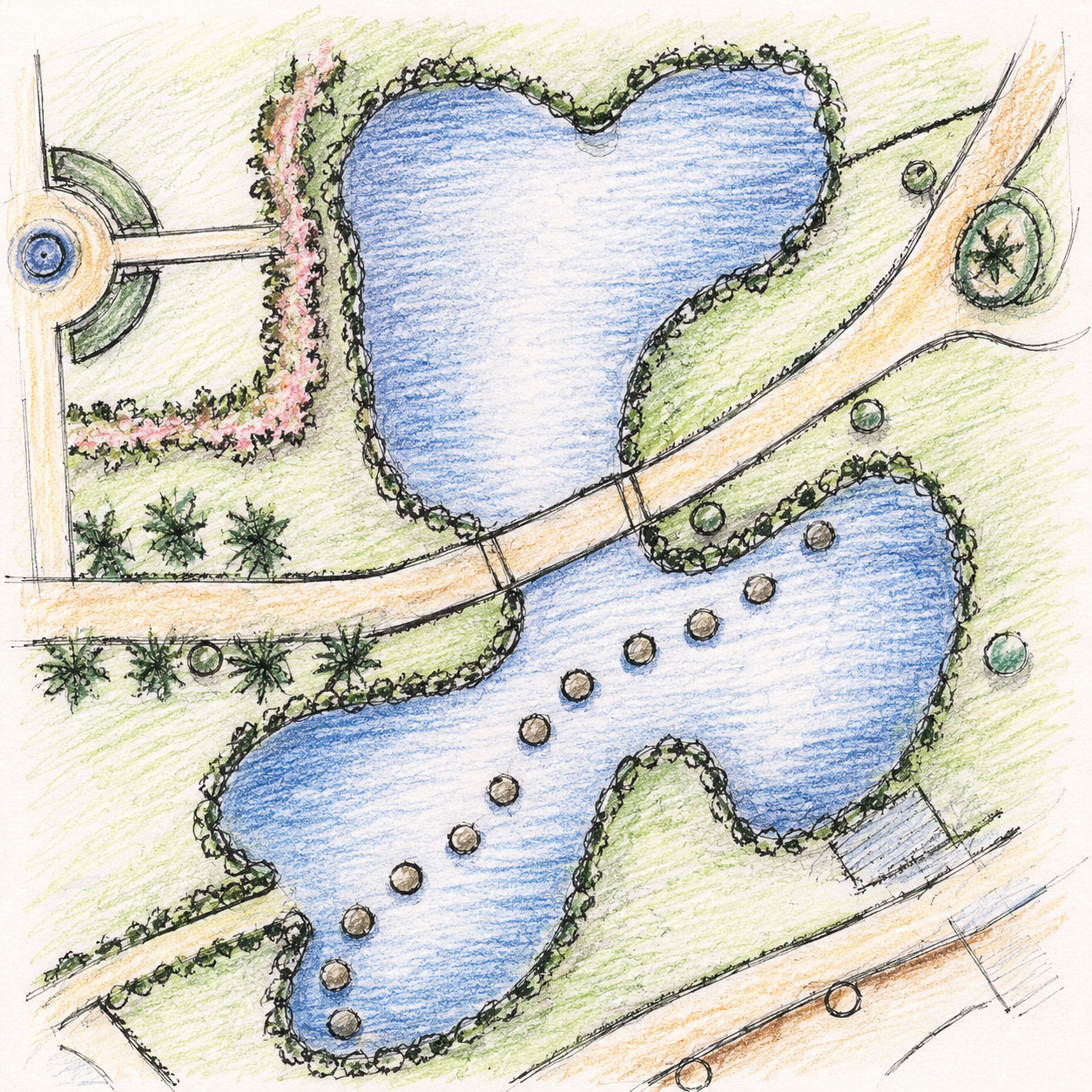
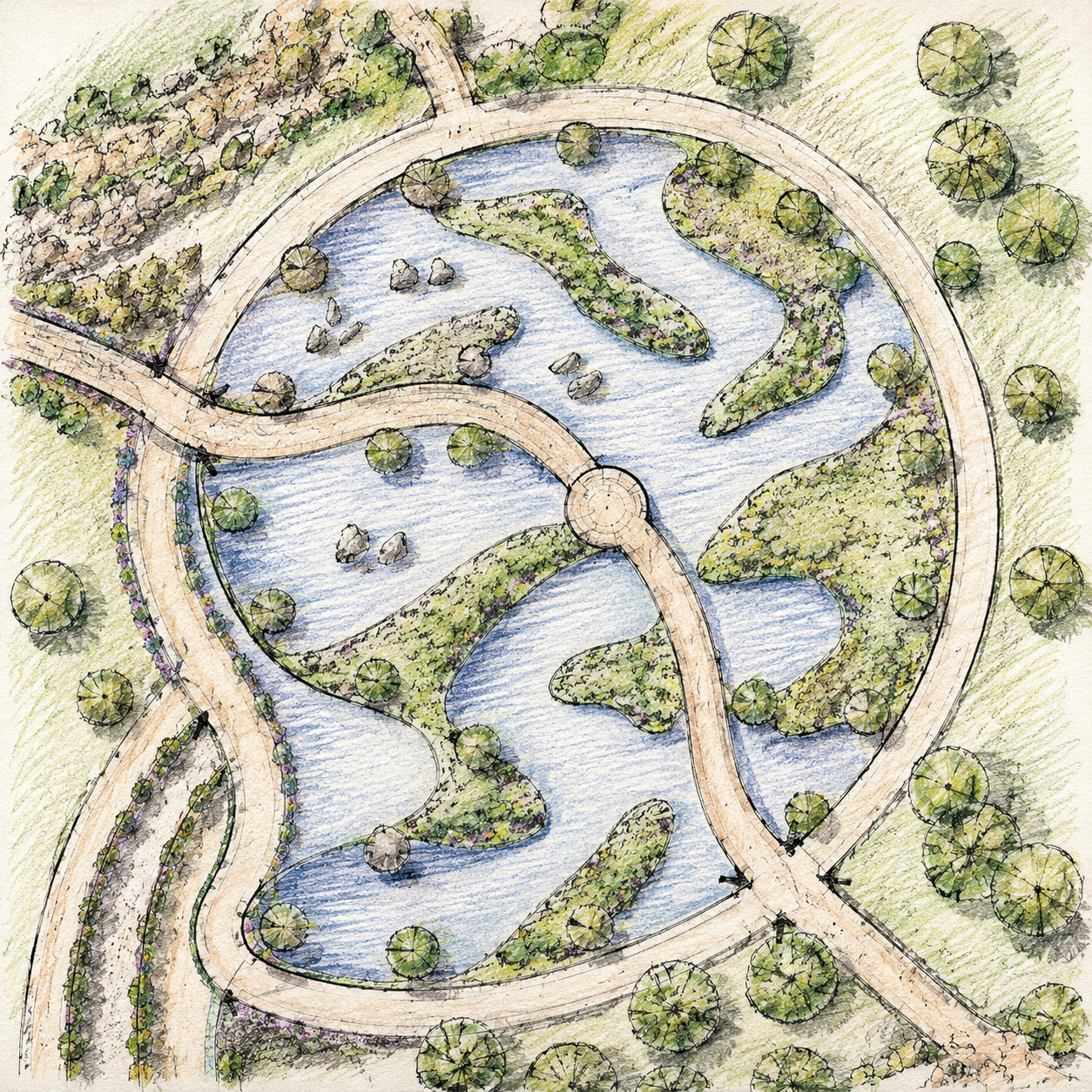
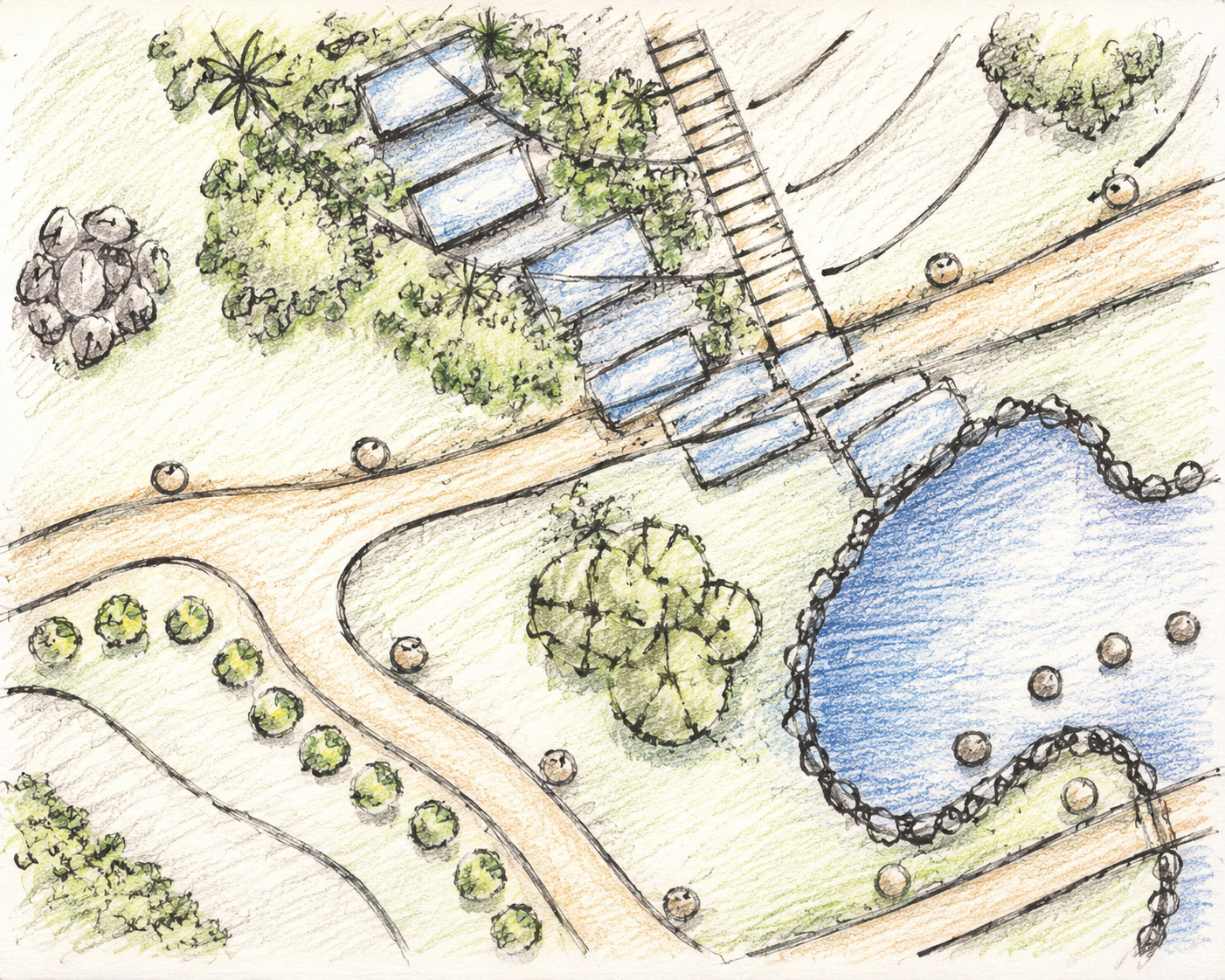
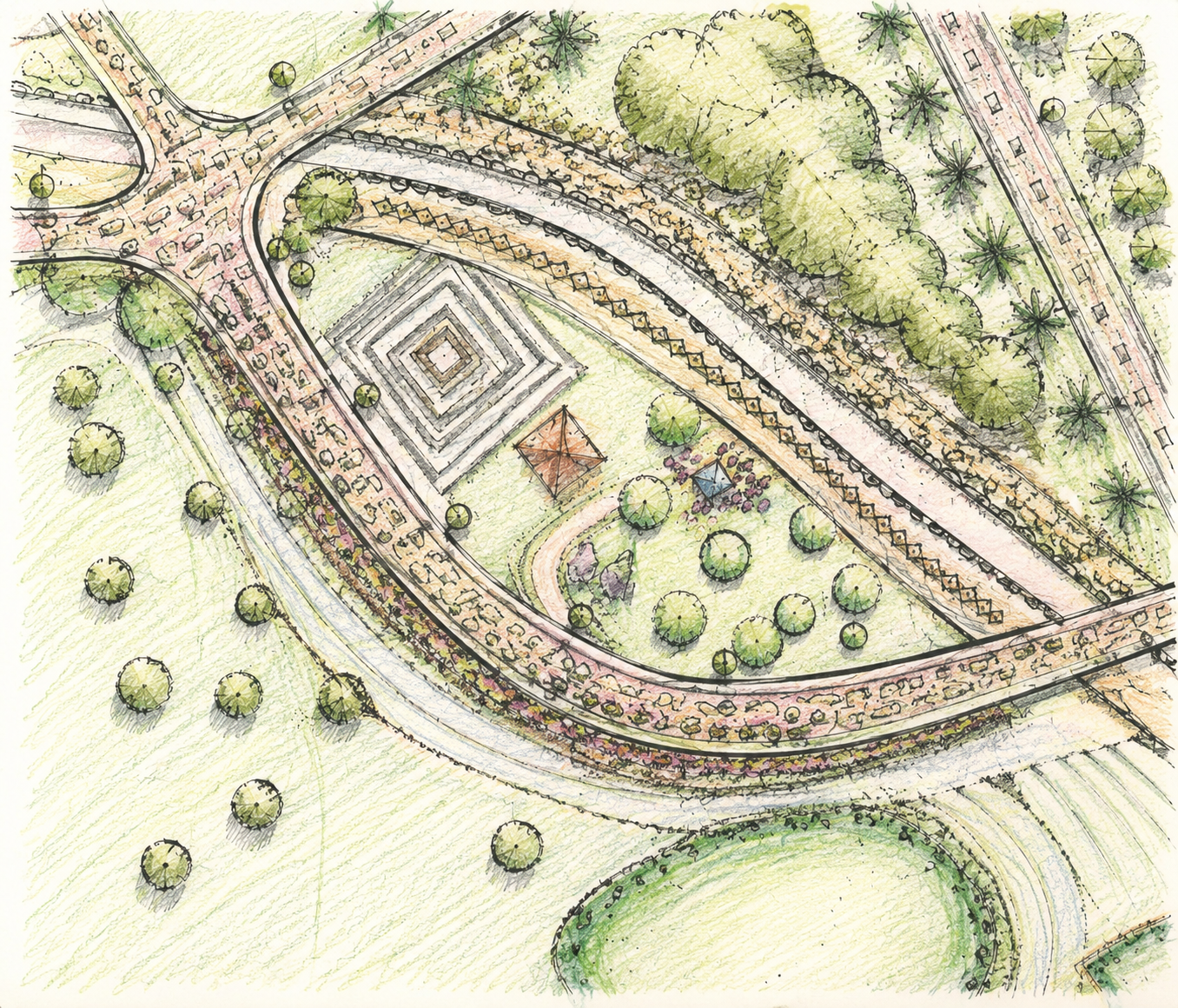
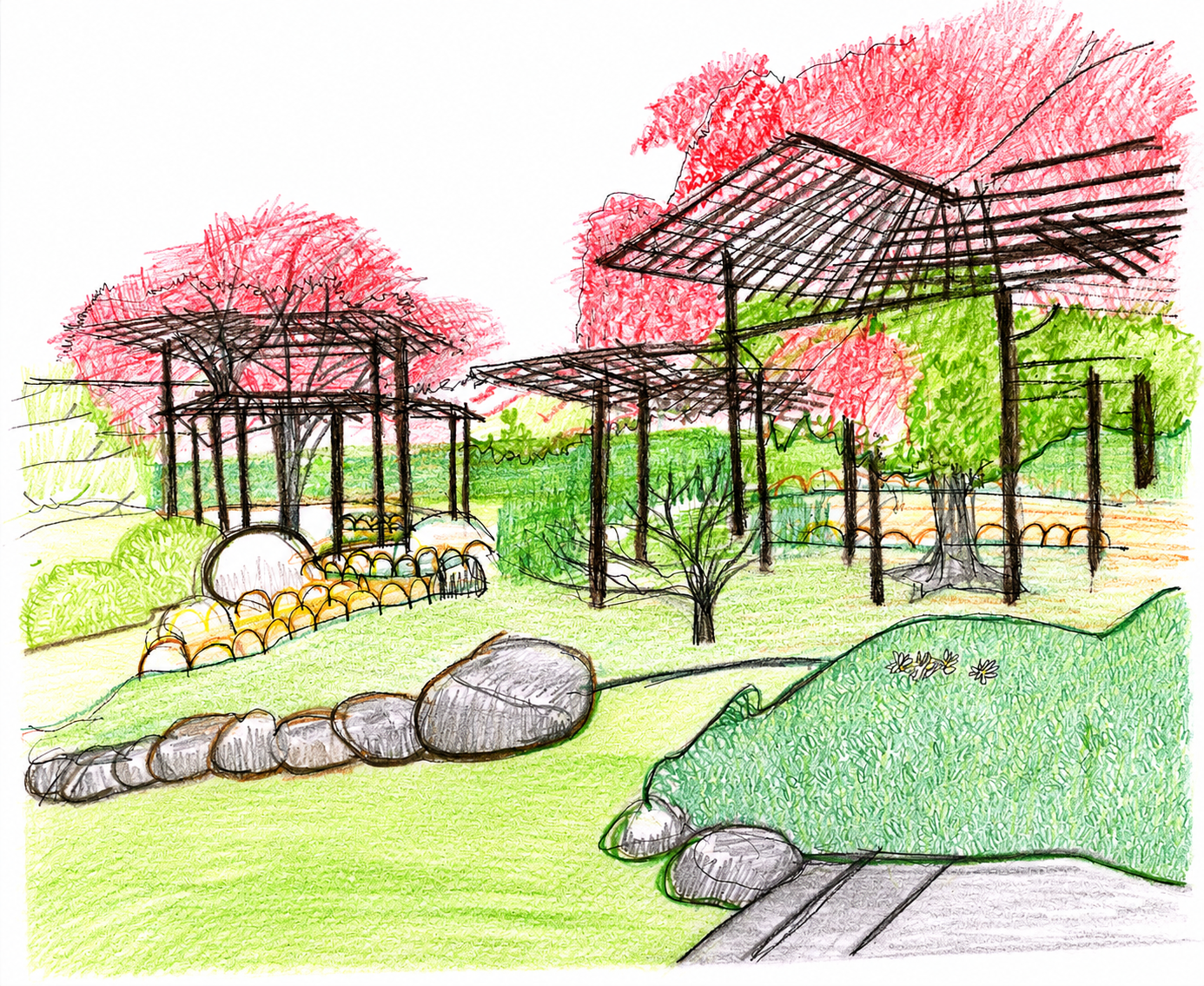
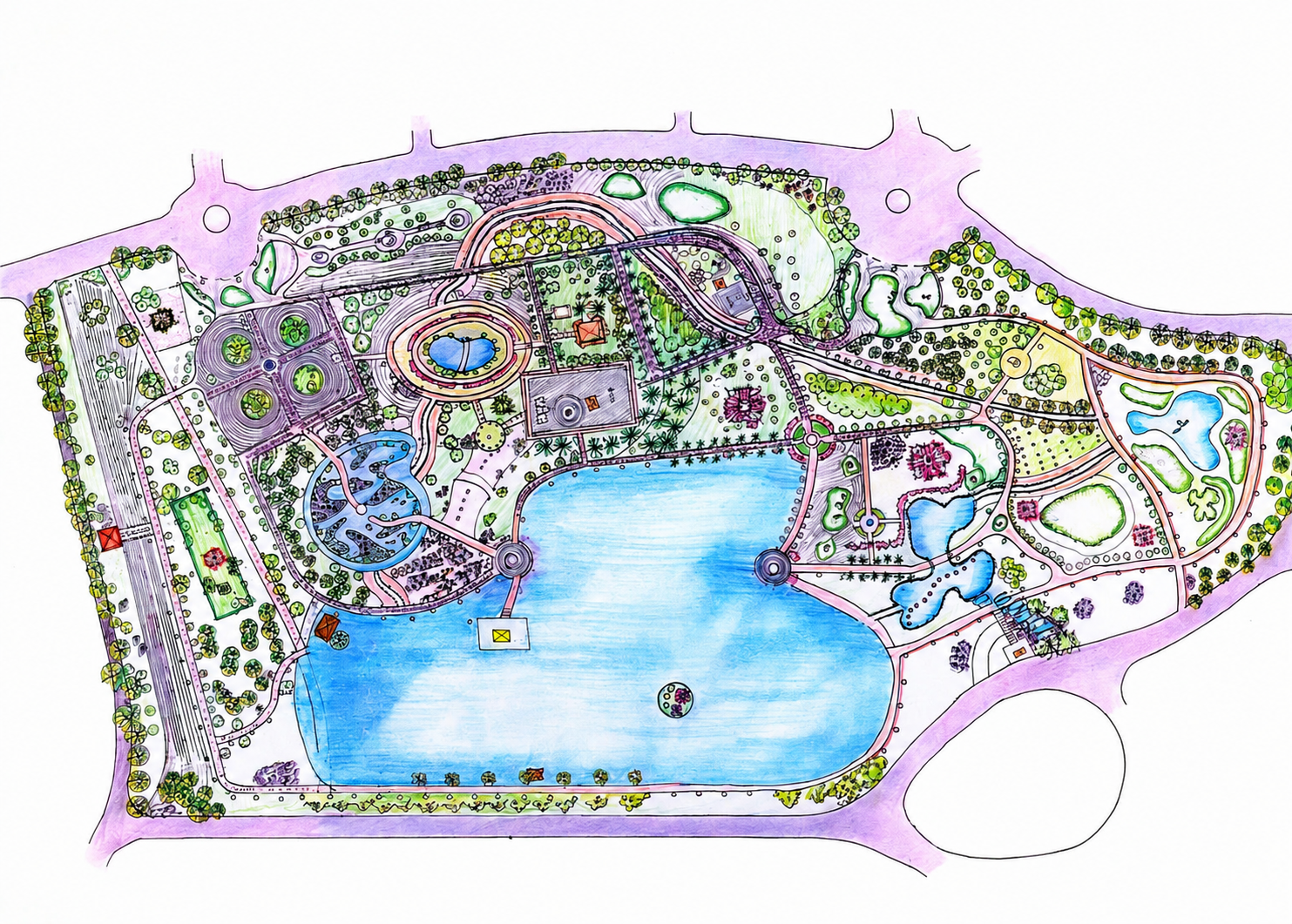
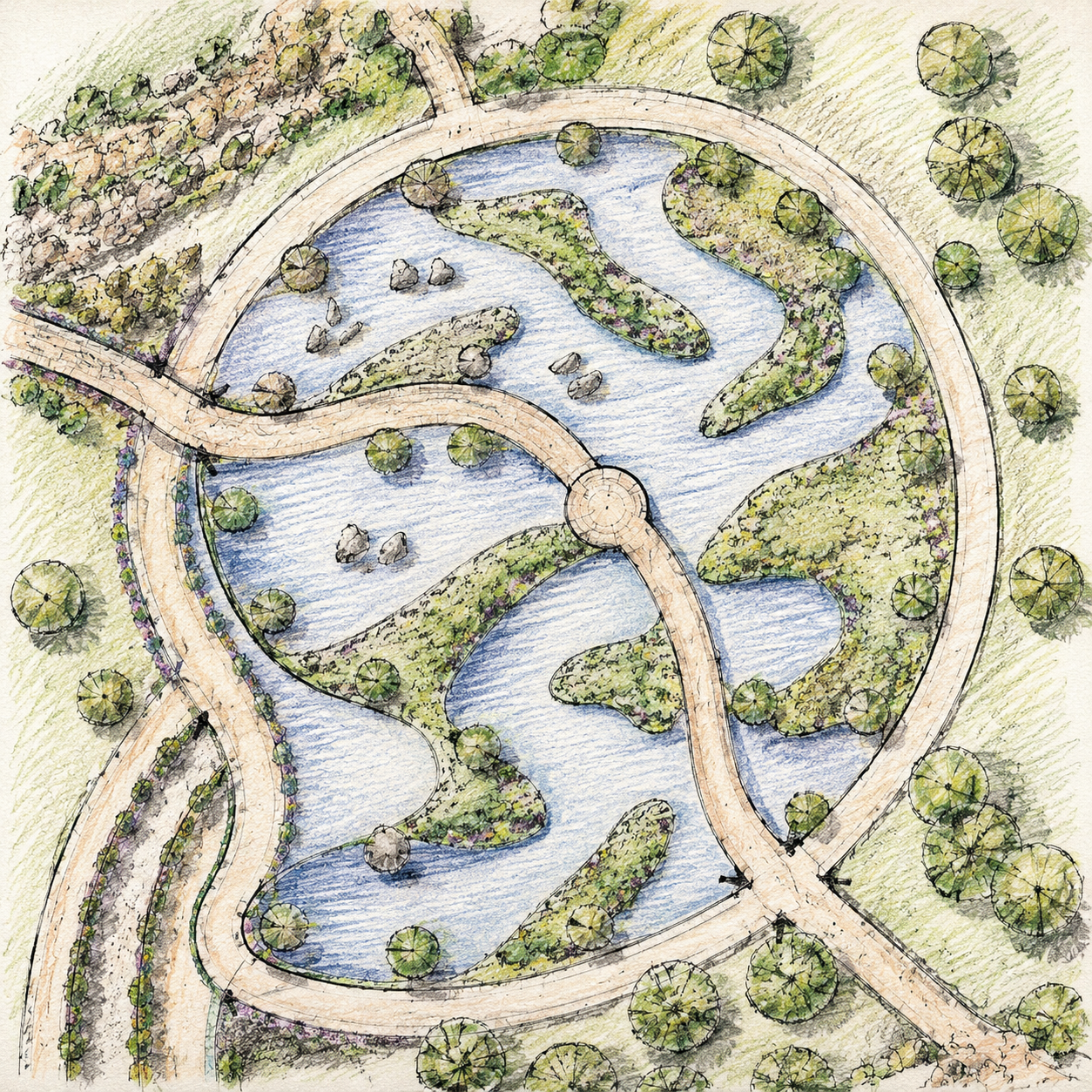
The proposal for Pampavana Japanese Garden envisions the restoration and enhancement of a 66‑acre lakeside landscape along the Tungabhadra reservoir through interventions inspired by traditional Japanese garden design. Adapting Zen and tea garden principles to the local context, the master plan seeks to create a tranquil, immersive environment that balances ecological restoration, cultural identity and public recreation. The landscape is organised into themed spaces — Zen and symbolic gardens, tea gardens, lotus ponds, dry ponds and dry river beds, meandering streams, waterfalls, stone water basins and traditional tea houses — with existing lakes rejuvenated through improved water circulation and edge treatments, and traditional boating facilities retained. Cobble stone paths, widened pedestrian routes, seating and lighting strengthen movement and pause points, while a Japanese-style children’s park, musical fountain, miniature train and landscaped recreation areas broaden the range of activities without disturbing the garden’s contemplative character. Extensive planting, drainage improvements, and infrastructure upgrades are planned as phased redevelopment, integrating natural elements with carefully designed visitor amenities to transform Pampavana into a cohesive cultural landscape that celebrates Japanese garden principles while responding sensitively to its setting.
Location: Karnataka
Project Type: Landscape
Project at a Glance
-
Natural stone, timber, earth and water used in keeping with Japanese garden principles of simplicity, asymmetry and naturalness.
Existing lakes rejuvenated through circulation and edge treatments; drainage and planting upgrades improve long-term ecological health.
Phased redevelopment strategy reduces disruption and allows landscape to mature over time.
-
Meandering streams, waterfalls, lotus ponds, dry ponds and dry river landscapes organise microclimate and experience.
Tea houses, shaded seating and contemplative garden rooms provide cool, quiet refuges along the lake edge.
Lighting, pathways and boating routes are planned to retain serenity while enabling safe, low-impact public use.
-
Themed Zen, symbolic and tea gardens translate Japanese principles into an Indian lakeside context.
Children’s park, musical fountain, miniature train and recreation spaces broaden public use while respecting the garden’s tranquil core.
Cobble stone paths, widened pedestrian routes and structured circulation stitch all garden zones into a coherent visitor journey.