Lidkar - Housing for Leather Workers for RGRHCL
About
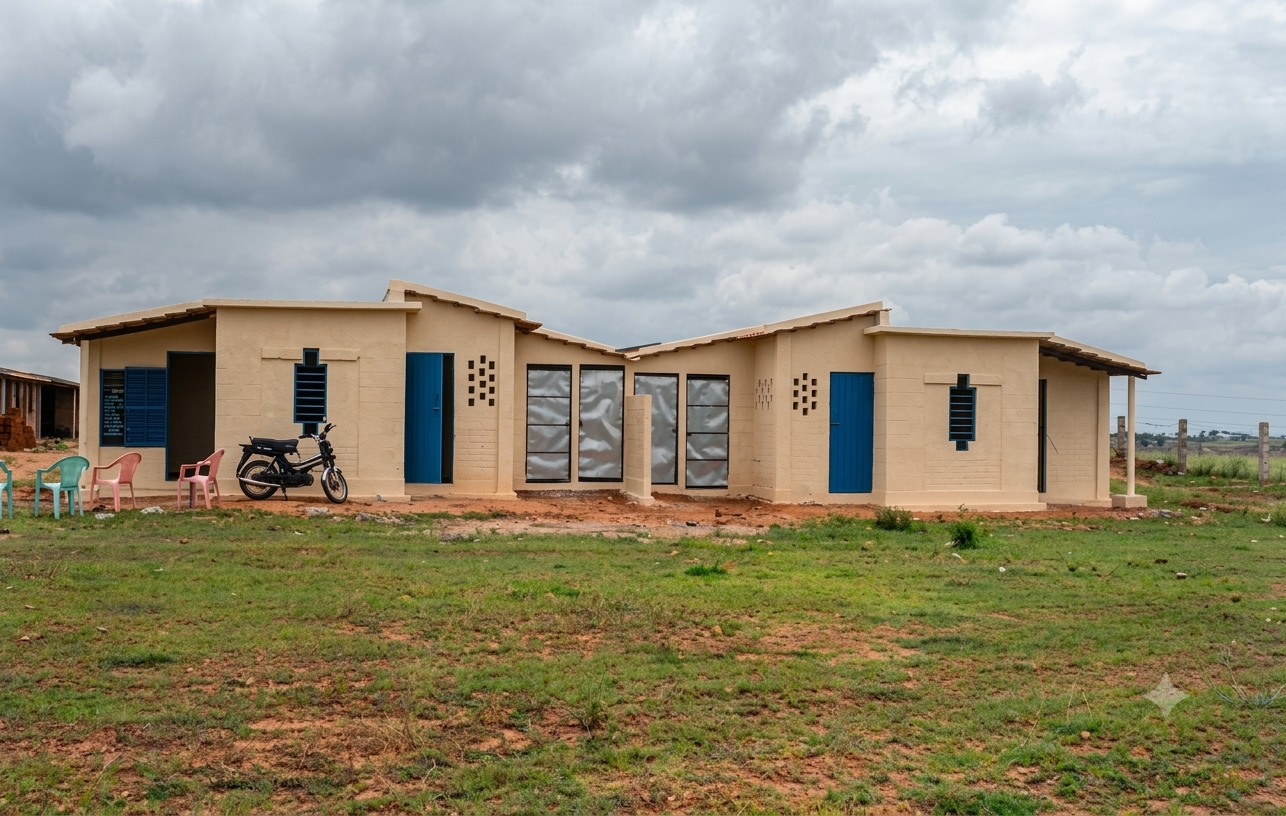
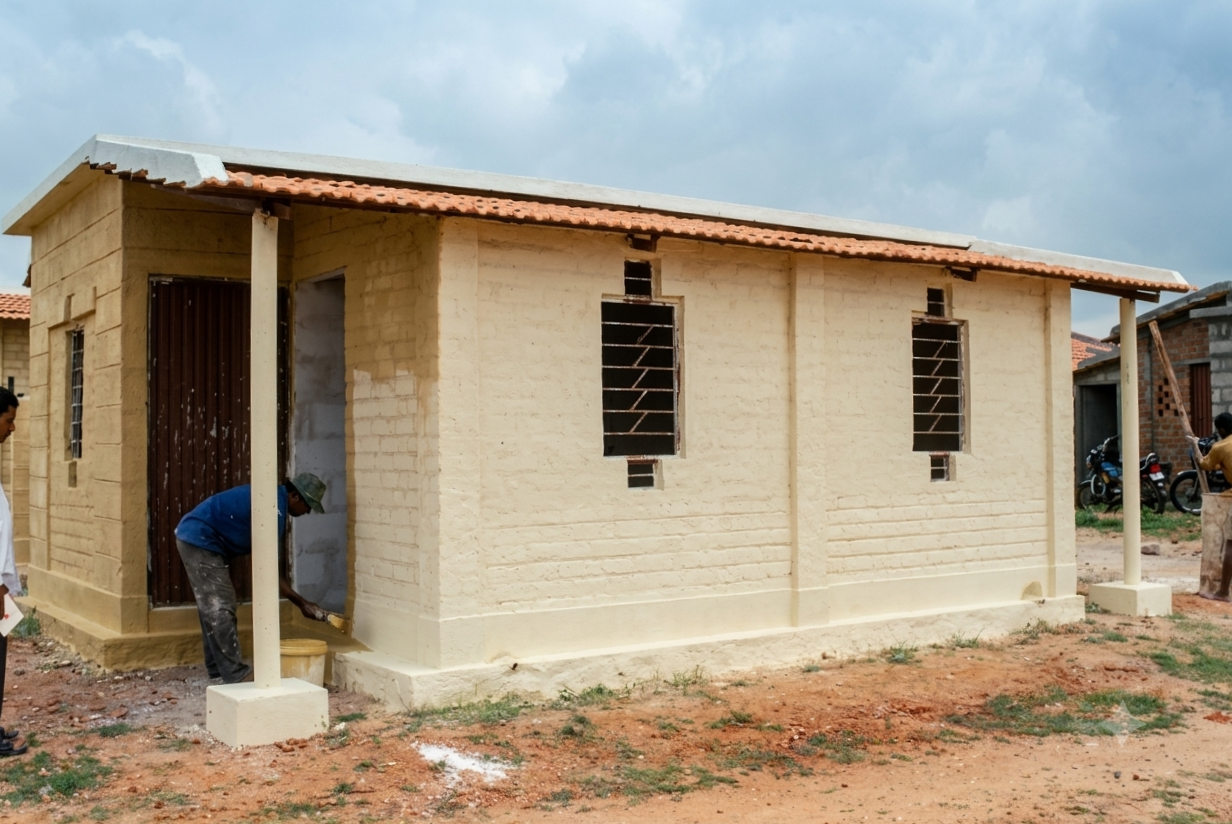
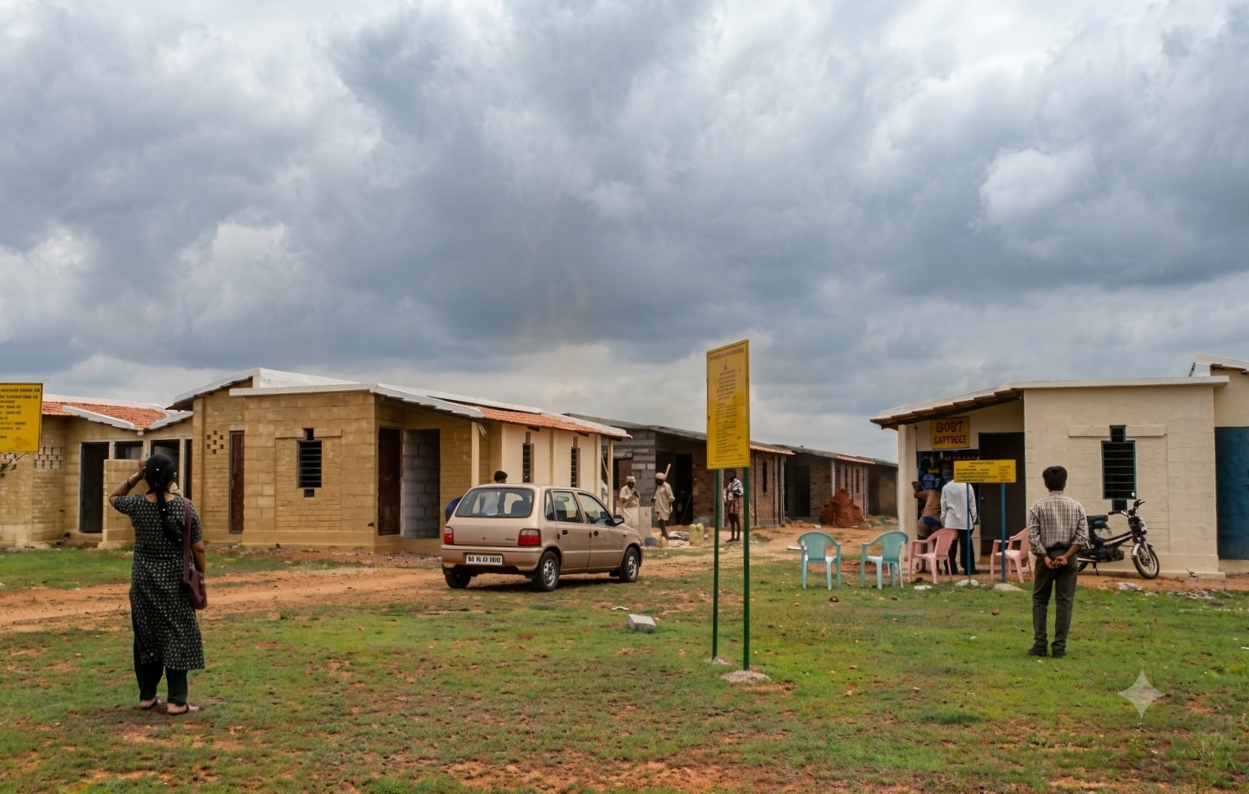
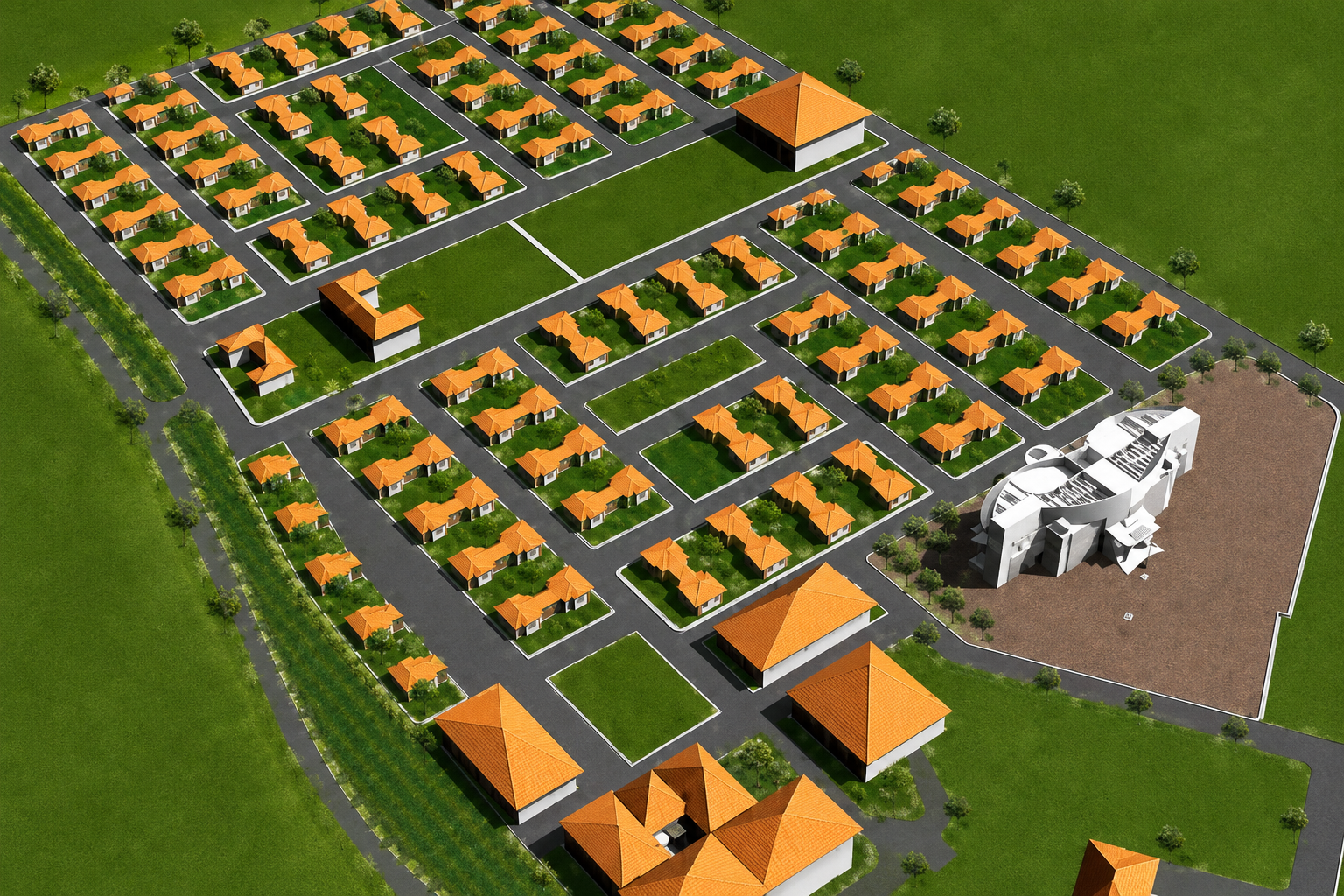
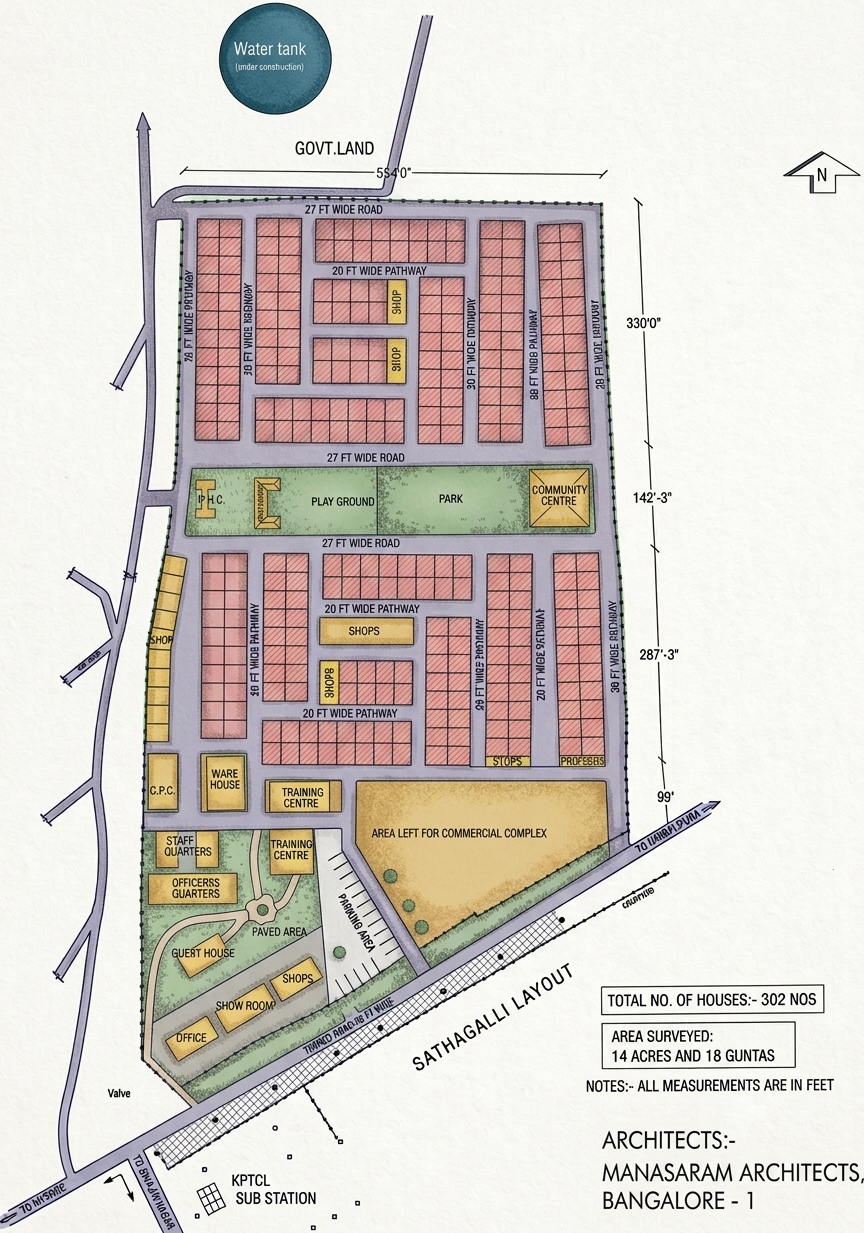
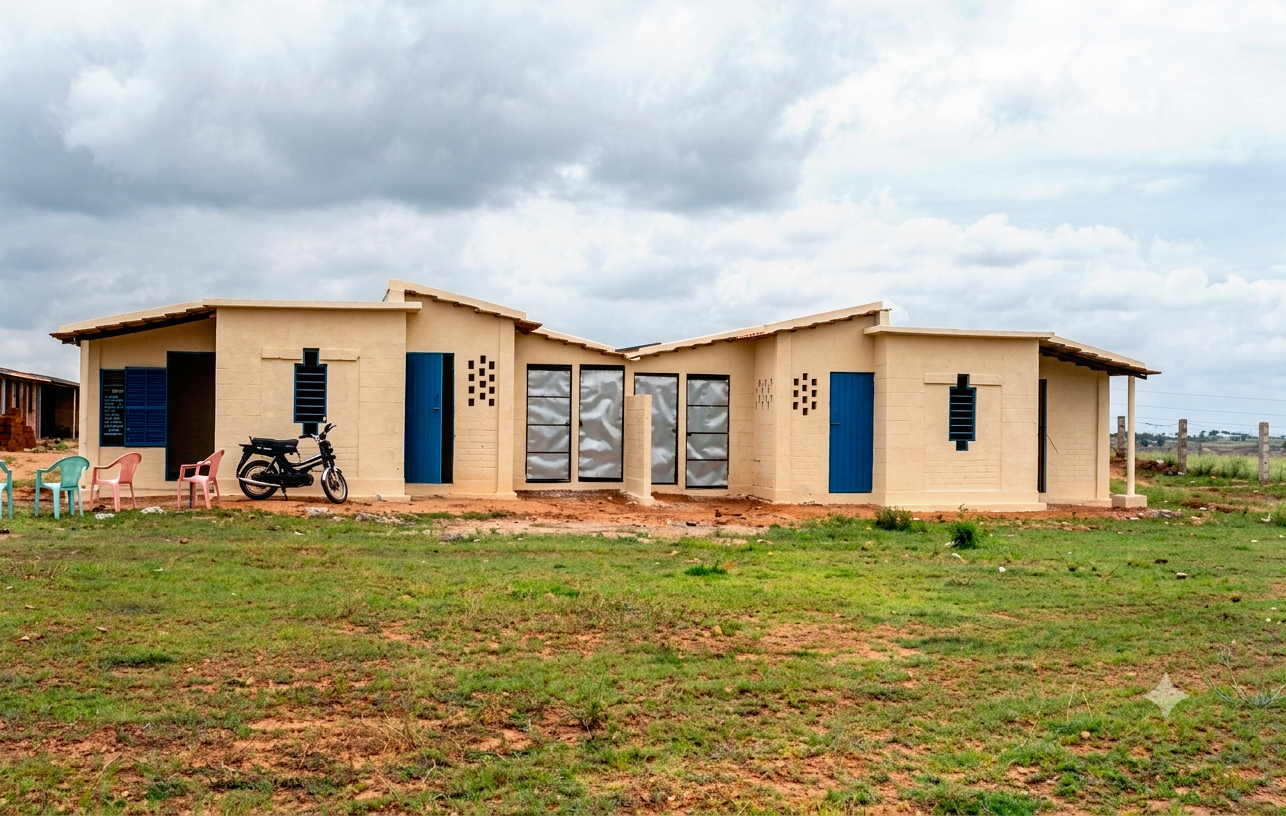
Developed under the Ashraya Housing Scheme for the leather-working community, this 16.5-acre settlement in Mysore integrates 250 residences with training, production, and community infrastructure into a self-sustained neighbourhood. Three housing prototypes respond to the varied occupational and functional requirements of the community, while a comprehensive range of institutional, commercial, and recreational facilities — Community Centre, School, Playground, Park, Shops, Warehousing, Staff and Officers' Quarters — supports both daily residential life and livelihood needs. Specialised facilities including a Training Centre, Leather Goods Workshop, Footwear Workshop, Footwear Design and Development Institute, and trainee dormitories are woven into the master plan alongside a Primary Health Centre, Crèche, Regional Office, and Guest House.
Location: Mysore, Karnataka
Project Type: Residential Housing Development
Client: Rajiv Gandhi Rural Housing Corporation Ltd. (RGRHCL), Bangalore
Year: 1997
Built Area: 16.5 Acres
Project at a Glance
-
Three housing prototypes — Type A, B, C — economical construction calibrated to occupational needs
Shared infrastructure reduces per-household material consumption across 250 residences
Warehousing and workshop facilities integrated to minimise redundant built fabric
Community amenities consolidated within the settlement — reducing travel, land use, and resource demand
-
Settlement planning across 16.5 acres allows orientation and spacing for natural ventilation and daylight
Residential, training, and production facilities co-located — reducing commute and associated energy use
Shared open spaces — Playground, Park, Courtyard zones — moderate microclimate within the neighbourhood
Compact, prototype-based design reduces per-unit construction and operational energy
-
Prototype housing types enable repetitive, efficient construction with standardised structural systems
Workshop, warehousing, and dormitory facilities employ appropriate structural spans for production use
Phased, master-planned development allows incremental construction without compromising overall settlement integrity
Local construction resources and community-scale procurement support cost-effective delivery across all building typologies