Golden Lakes Resort at Devanahalli
About
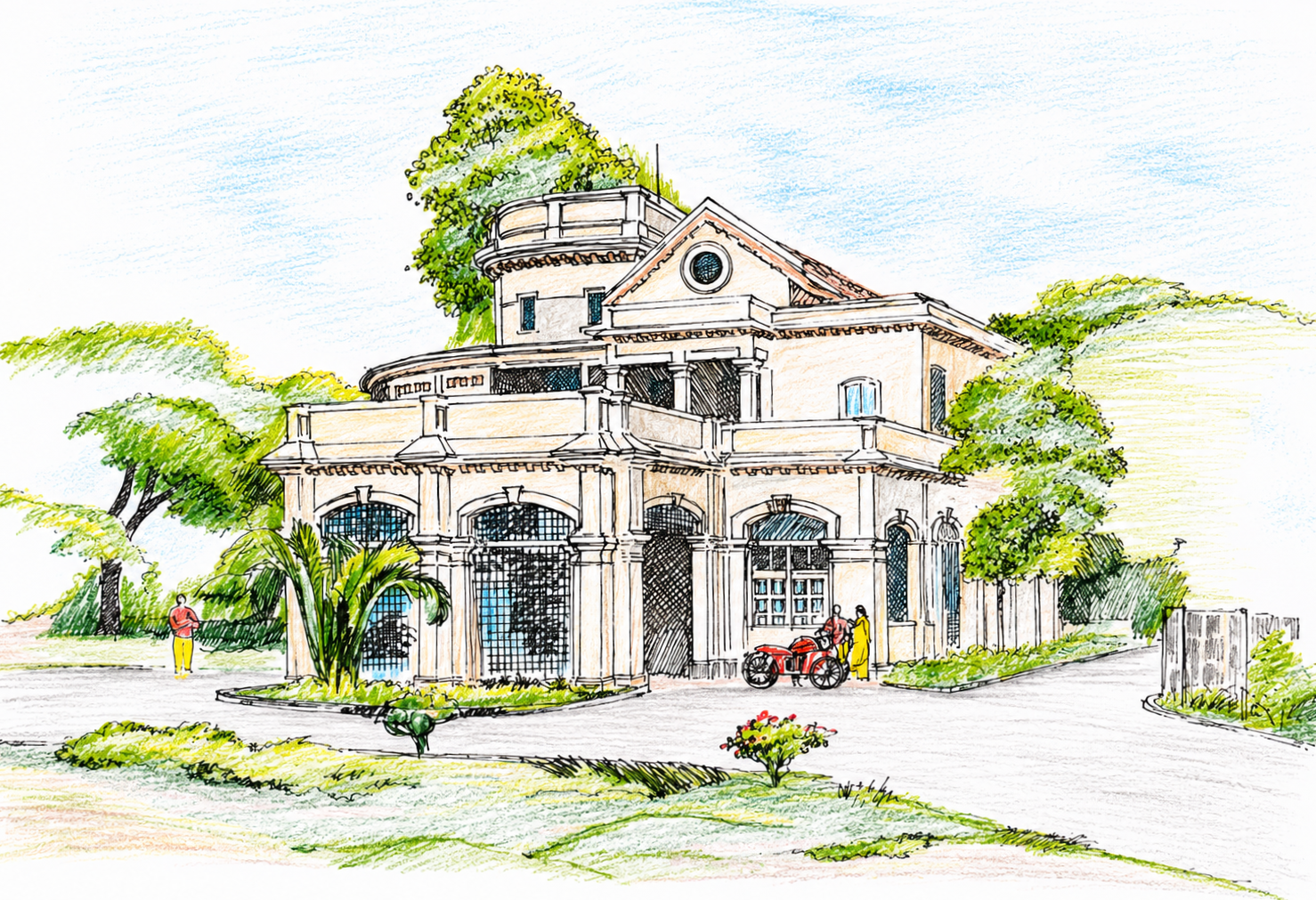
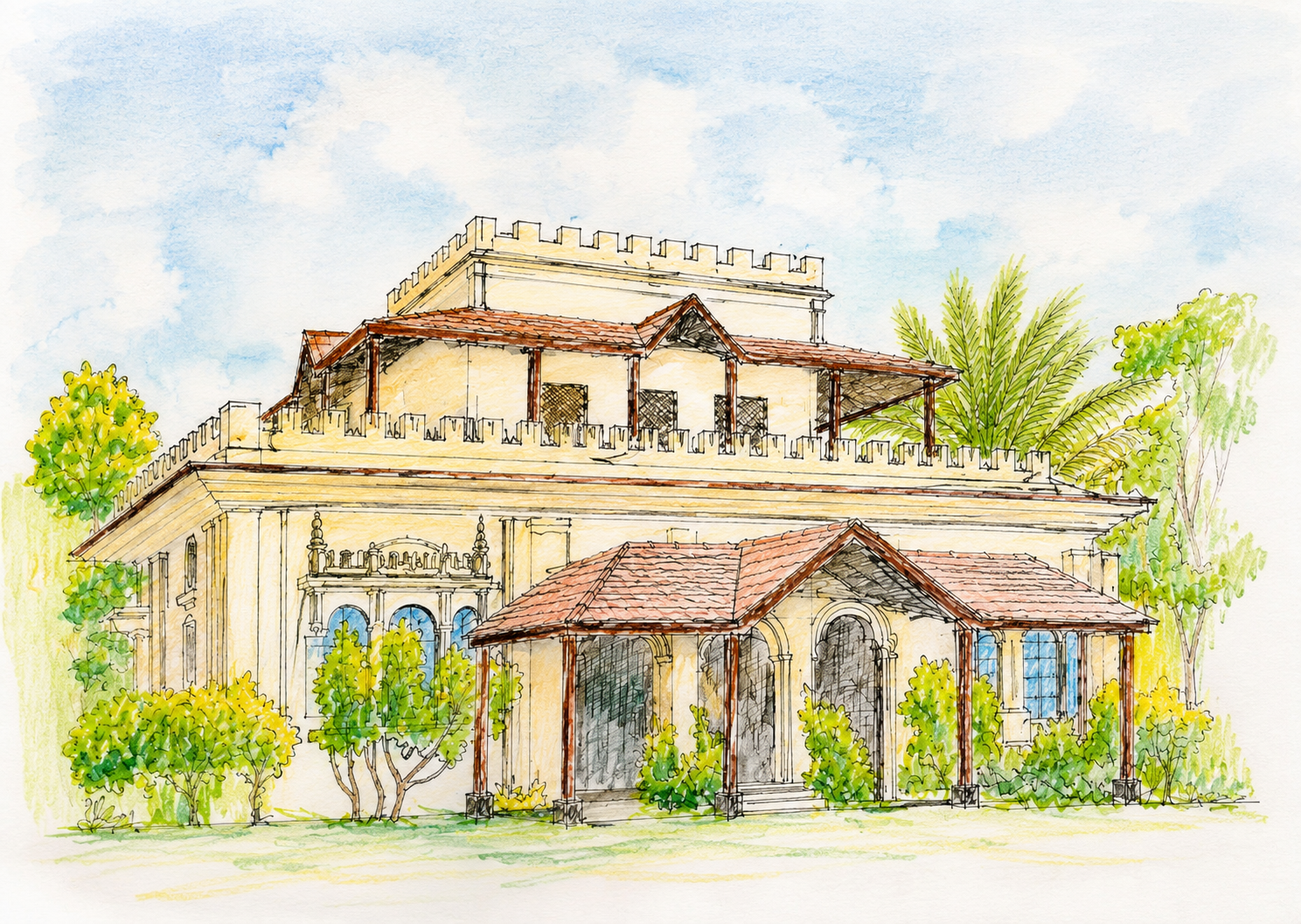
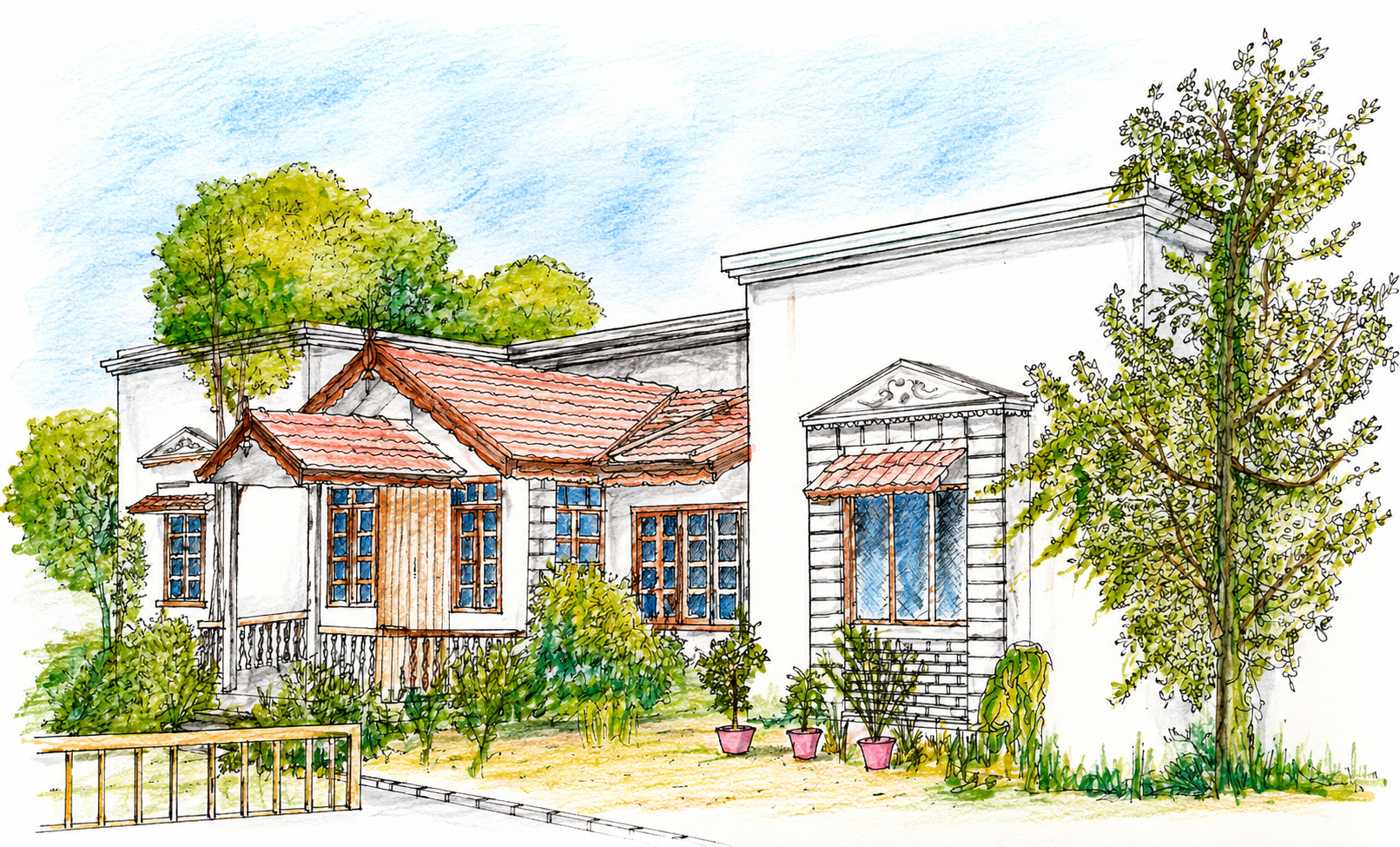
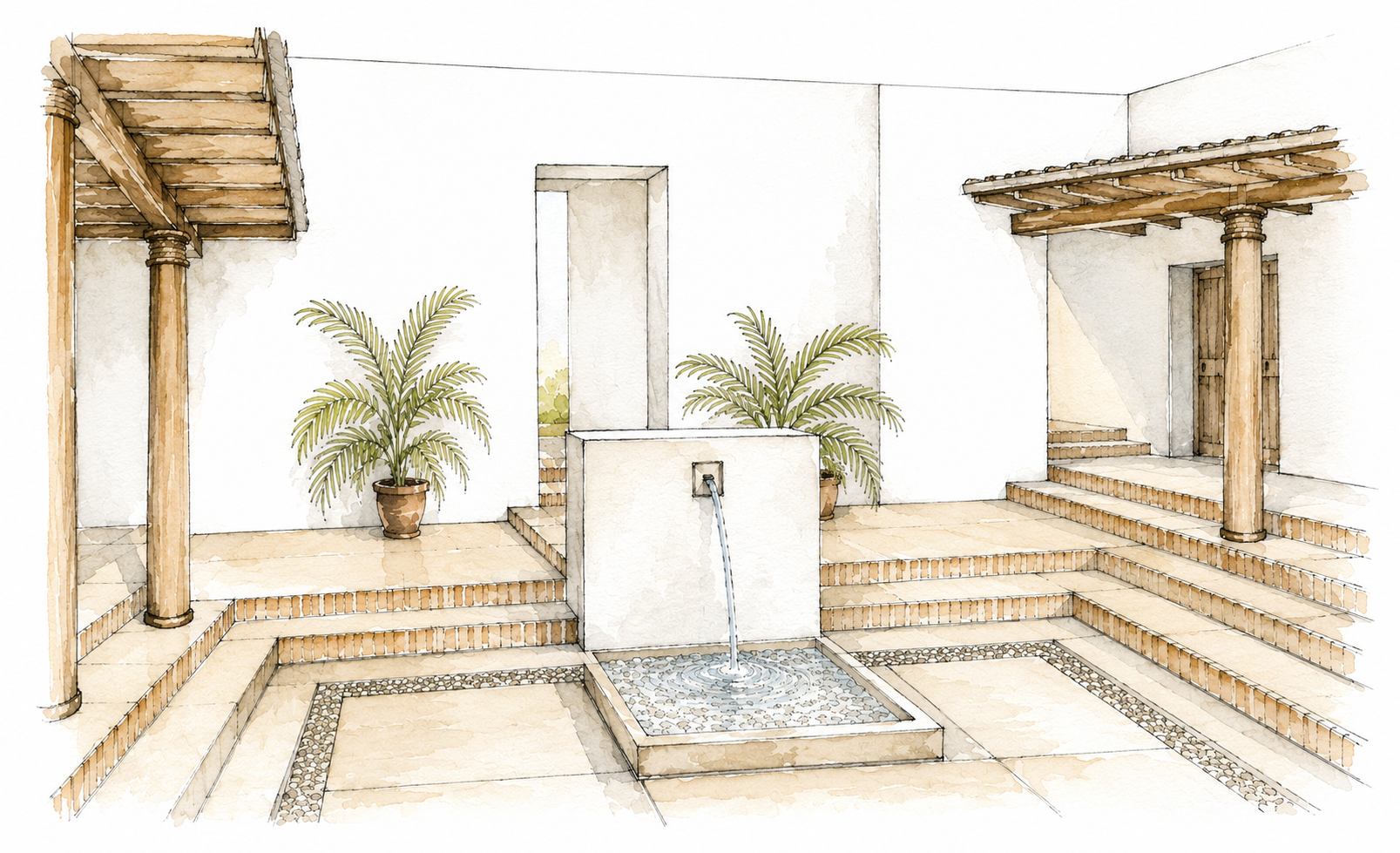
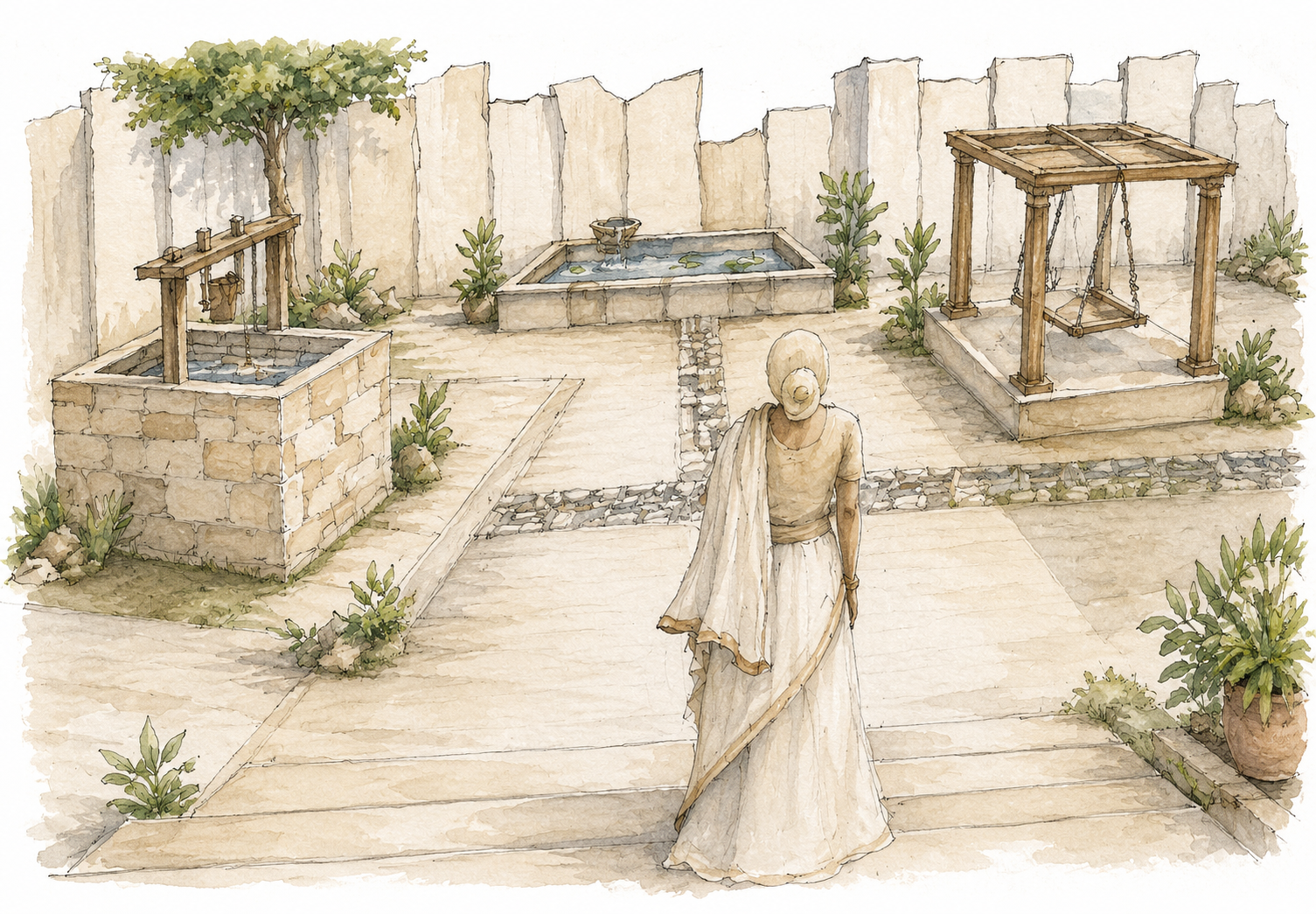
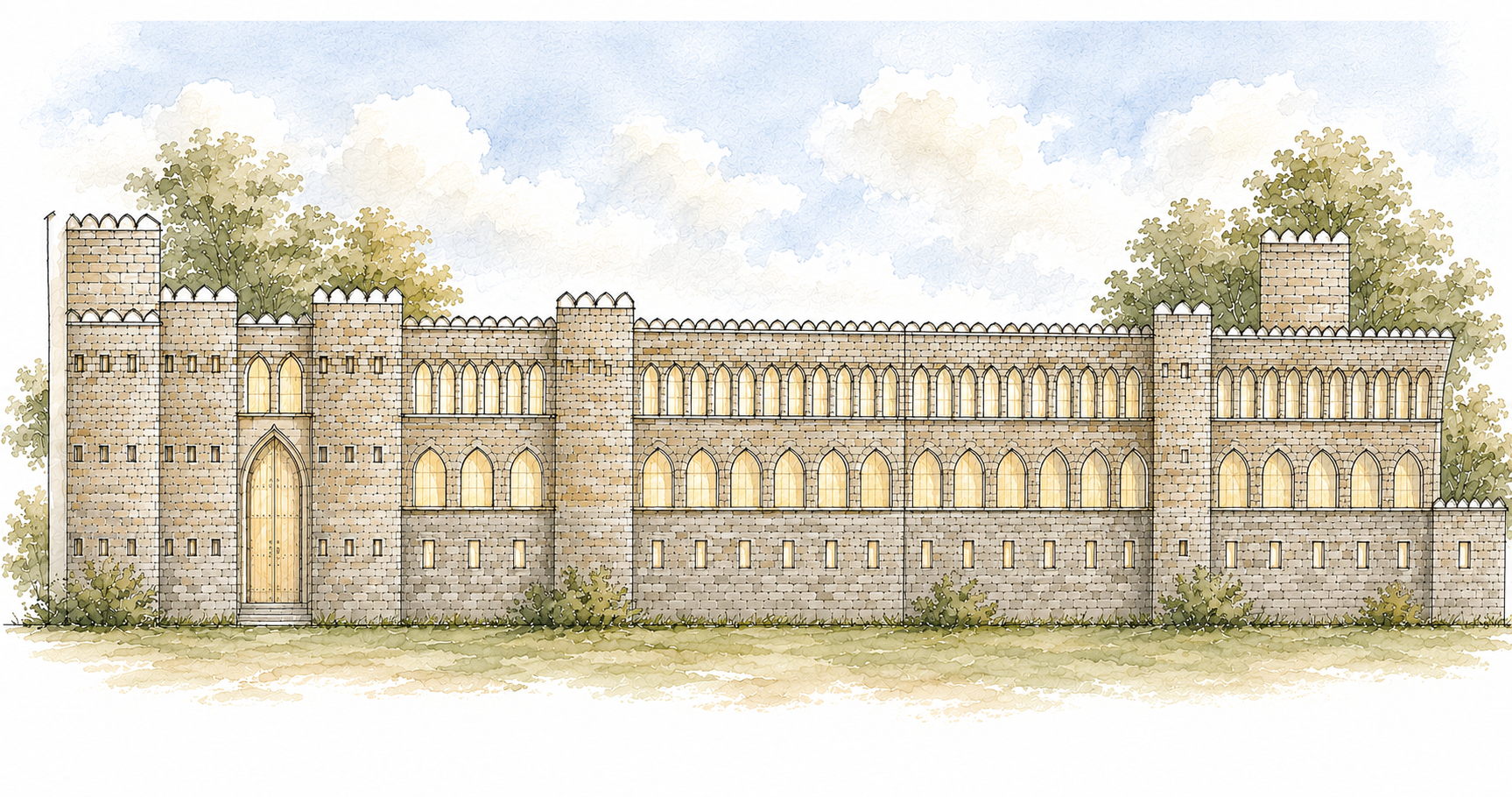
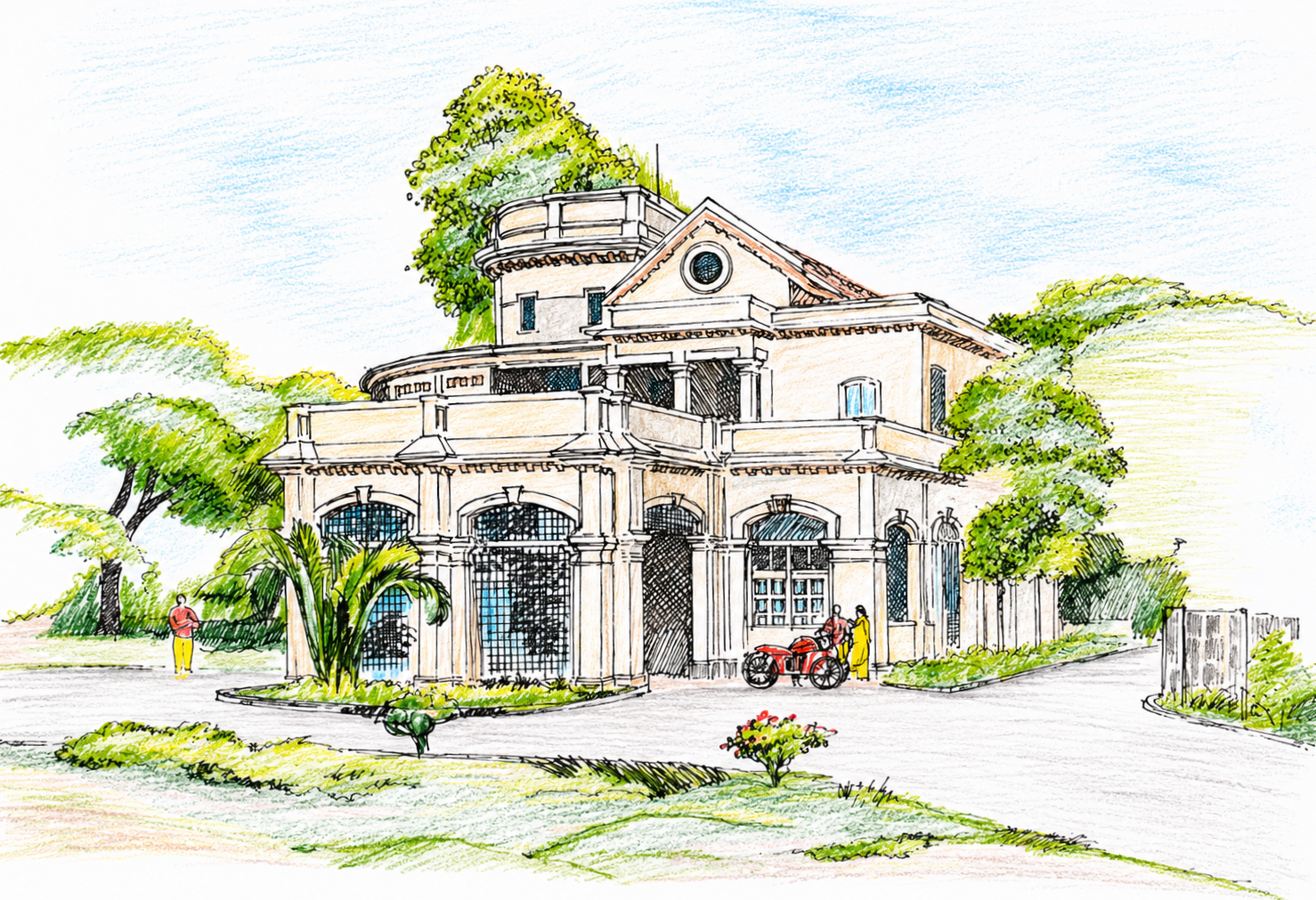
Conceived as a destination resort at Devanahalli, the proposal draws from the architectural character and cultural landscape associated with Tipu Sultan’s period, reinterpreting historic spatial qualities rather than replicating forms. The masterplan weaves courtyards, gardens, ruins, water bodies and landscape into a contemporary hospitality environment that stays closely tuned to its natural setting, taking advantage of views to lakes, streams, wetlands and the Nandi Hills. Buildings are positioned along landscaped streets and internal courts so guests experience changing vistas while retaining a strong relationship with nature, with Mughal-style gardens providing formal counterpoints to the surrounding terrain. Guest rooms are arranged as informal street courtyards around interpreted ruins, emphasising discovery and interaction with privacy, while public programmes—restaurants, multipurpose halls, recreational facilities, gardens and cultural venues—are distributed across the site to create a varied sequence of experiences. Indigenous masonry and bamboo construction techniques respond to climate and reinforce regional identity, and water elements—lotus ponds, streams, waterfalls and reflection pools—enhance comfort and visual memory. Cultural programmes, including a library and exhibition on Tipu Sultan, water stage and community gardens, complete a resort that fuses history, landscape and contemporary recreation.
Location: Devanahalli, Karnataka
Project Type: Resort
Client: Alex Resorts Pvt. Ltd.
Year: 2002
Built Area: 2000 sq.ft.
Project at a Glance
-
Indigenous masonry and bamboo construction explored as primary systems, reducing embodied energy and expressing regional craft.
Local stone, earth and wood palette aligns with Devanahalli’s fort and settlement traditions, grounding the resort in its context.
Landscape retains wetlands and existing features where possible, with water and planting used as primary climatic devices.
-
Courtyards, gardens and landscaped streets oriented to lakes, streams, wetlands and Nandi Hills, framing breezes and views.
Mughal-inspired gardens—axial paths, water channels, pools and shaded planting—temper microclimate and create intimate and expansive outdoor rooms.
Lotus ponds, streams, waterfalls and reflection pools add evaporative cooling and auditory calm to guest movement across the site.
-
Guest rooms organised as informal street courtyards around interpreted ruins, evoking ancient settlements while supporting privacy and social interaction.
Public spaces—restaurants, halls, recreation, gardens and cultural venues—distributed rather than centralised, encouraging exploration and layered itineraries.
Library and exhibition on Tipu Sultan, water stage and community gathering spaces embed historical narrative into the resort experience.